Why Homeowners Trust Round Lake Beach Top Landscaper
Why Homeowners Trust Round Lake Beach Top Landscaper
Blog Article
Professional Landscaper for a Beautifully Designed Outdoor Space
A professional landscaper serves an essential role in transforming outdoor spaces into visually attractive sanctuaries. Their expertise involves assessing site challenges and choosing suitable plant species. By balancing colors and textures, they create functional designs. Additionally, they implement sustainable practices that help the environment. The potential impact of these transformations on property value raises important questions about the benefits of spending on professional landscaping. What specific advantages can one expect from such an investment?
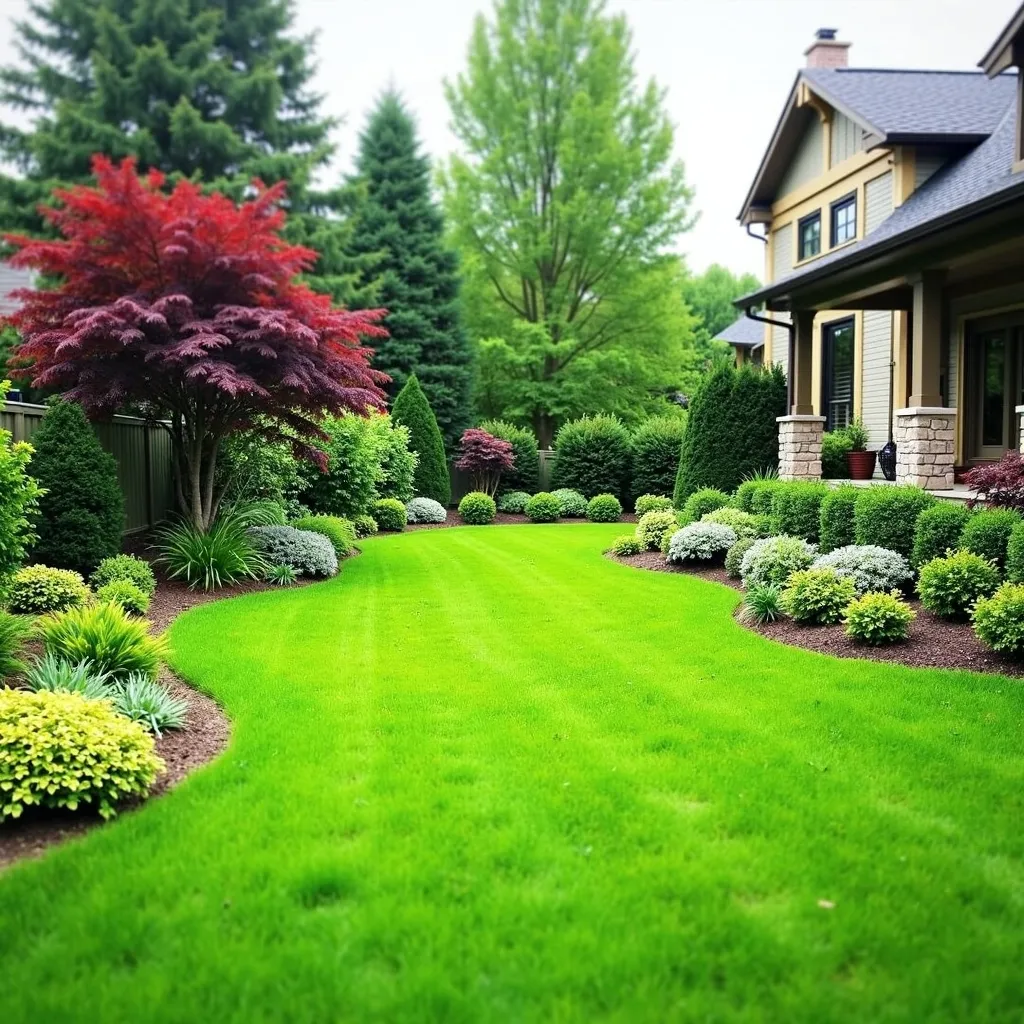
Tackling Common Landscaping Problems With Expert Support
While many homeowners desire to design stunning outdoor spaces, they often face multiple garden obstacles that can be daunting to handle by themselves. Problems such as poor soil quality, inadequate drainage, and the selection of appropriate plant species can obstruct even the most enthusiastic gardener. Expert landscape designers have the skill to evaluate these difficulties successfully. They can suggest soil amendments, implement proper drainage solutions, and choose vegetation that thrive in particular environments.
Additionally, landscape design includes creative components that require a sharp try now eye for aesthetics and usefulness. Experts can develop cohesive arrangements, guaranteeing that hardscapes and softscapes work well with each other. Through using their experience, homeowners can avoid frequent pitfalls and costly errors. Within this collaborative arrangement, specialists not only enhance the aesthetic impact of outdoor spaces but also maintain lasting environmental stewardship. As a result, seeking professional assistance can convert challenging landscaping projects into manageable tasks, delivering beautiful outcomes.
The Effect of Skilled Landscaping on Garden Planning
Professional landscaping enhances the aesthetic appeal of garden designs in significant ways, converting typical spaces into captivating environments. By applying well-planned arrangements and plant selections, experts also optimize functionality, ensuring that gardens offer both visual appeal and practical value. This dual impact creates spaces that are not only attractive but also useful for daily use.
Visual Improvement Strategy
A carefully designed landscape can substantially elevate the visual charm of any outdoor area, changing an simple garden into an magical retreat. Professional landscapers have the skills to coordinate hues, textures, and shapes, making sure that every element matches each other. By incorporating different plant types, thoughtful placement of features, and considered use of materials, they design eye-catching environments. The use of focal points, including sculptures or water features, captures the gaze and adds character, while pathways and borders define structure and flow. Additionally, seasonal interest is carefully considered, allowing gardens to transform throughout the year. Ultimately, the artistic vision and craftsmanship of professional landscapers result in spaces that inspire calm and admiration, enriching the overall experience of outdoor living.
Practical Space Refinement
Effective landscaping goes beyond mere aesthetics; it also plays a pivotal role in optimizing functionality within garden areas. Professional landscapers assess the unique characteristics of a site, considering factors such as sunlight, soil type, and existing structures to create designs that enhance usability. They implement features like pathways, seating areas, and raised beds, ensuring that outdoor spaces serve multiple purposes. By integrating elements such as irrigation systems and native plant selections, they promote sustainability while minimizing maintenance efforts. Moreover, a well-planned layout can improve traffic flow, making spaces more navigable and enjoyable. Ultimately, professional landscaping transforms gardens into functional environments that meet the diverse needs of homeowners, blending beauty with practicality for a harmonious outdoor experience.
Picking the Best Plants: Specialist Tips for Selection and Placement
When choosing plants for an outdoor space, grasping the specific conditions and design objectives is essential for creating a harmonious landscape. Factors such as light exposure, soil type, and climate are important in choosing plants. For instance, shade-loving plants flourish under tree cover, while plants that love sunlight require open spaces.
In addition, evaluating the visual charm is key. Color schemes, textures, and seasonal variations should work with the overall design vision. To build depth, specialists often advise layering plants by height and form, ensuring taller plants are placed in back and shorter ones in the front.
In addition, incorporating native species can strengthen natural diversity and minimize maintenance requirements. Subsequently, it is advisable to organize plants with matching moisture and feeding needs to create a more sustainable outdoor environment. By following these expert tips, one can fashion a splendidly balanced garden setting that demonstrates individual style and environmental accord.
Utilitarian Hardscapes: Passages and Patios
Pathways and patios are key features in outdoor design, boosting both functionality and aesthetic appeal. Various materials and design options enable for customization, catering to individual preferences and landscape needs. Understanding the benefits of hardscapes can substantially improve the usability and charm of any outdoor space.
Positive Aspects Of Pathways
A professionally designed pathway boosts both the visual appeal and usefulness of outdoor spaces. Footpaths work as key links, guiding guests through gardens, yards, and patios while creating a clear circulation pattern. They improve accessibility, allowing smooth passage and limiting grass wear. Additionally, footpaths can mark areas, establishing designated spaces for rest or entertaining. Assorted materials, including stone, brick, or gravel, deliver multiple style options, allowing homeowners to coordinate pathways with their design theme. Furthermore, footpaths enhance security by offering stable footing and reducing slipping or mud concerns. All things considered, the use of pathways significantly improves the beauty and practicality of exterior areas, making them an invaluable element in landscape design.
Patio Planning Variations
During the process of designing an outdoor space, patio options hold an vital role in improving both effectiveness and aesthetic. Various design selections exist, allowing homeowners to develop personalized outdoor retreats. For example, a simple rectangular layout provides a basic look, while circular or curved designs can introduce a more inviting aesthetic. Multi-level patios can create enhanced views, seamlessly merging with the surrounding landscape. Incorporating built-in seating or fire pits boosts convenience, making patios great for events or relaxation. Furthermore, integrating greenery, such as planters or trellises, can soften hard edges and add vibrancy. Ultimately, thoughtful patio design can transform any outdoor area into a versatile space that complements the home’s architecture and boosts the overall ambiance.
Essential Materials For Hardscapes
Choosing the right options for hardscapes is essential for creating functional and visually appealing outdoor spaces. Pathways and patios benefit from a variety of durable options, such as concrete, pavers, and natural stone. Concrete offers versatility and can be customized with various finishes. Pavers, available in diverse shapes and colors, allow for easy installation and repair. Natural stone, while often more expensive, adds an organic aesthetic that enhances the landscape's beauty. Additionally, gravel and decomposed granite serve as outstanding alternatives for informal pathways, allowing for effective drainage. Selecting the appropriate material not only ensures longevity and functionality but also harmonizes with the overall design, contributing to a unified outdoor environment.
Sustainable Garden Methods for a More Eco-Friendly Home
Green landscaping approaches offer numerous advantages for homeowners trying to build a more sustainable environment. By planting native plants, homeowners can reduce water consumption and eliminate the requirement for chemical pesticides and fertilizers, fostering local biodiversity. Rain gardens and permeable pavements are effective approaches for controlling stormwater, serving to reduce erosion and support groundwater recharge.
Furthermore, employing organic mulches can boost soil health while suppressing weed growth. Homeowners can also explore xeriscaping, which includes designing landscapes that require minimal irrigation, thereby conserving water resources.
Breaking down natural waste helps with soil enrichment and cuts down landfill burden. Moreover, opting for efficient outdoor lighting can lower electricity consumption.
How Does Professional Landscaping Add Value to Your Property?
Professional landscaping can significantly improve a property's value, often boosting it by up to 15%. A well-designed outdoor space not only improves curb appeal but also creates a welcoming environment for potential buyers. Key elements such as manicured lawns, strategically placed trees, and vibrant flower beds contribute to an inviting aesthetic that attracts interest.
Moreover, skilled landscape professionals can introduce functional features like outdoor living areas, pathways, and water elements, which elevate usability and enjoyment. These modifications can generate better prices and quicker sales in a tough real estate environment.
In addition, investing in sustainable landscaping practices can appeal to environmentally conscious buyers, further elevating a asset's appeal. Thoughtful landscaping harmonizes with the home's architecture while leveraging local flora, which requires decreased maintenance and water. Overall, professional landscaping serves as a crucial instrument for property holders looking to maximize their home's market potential and financial returns.
Regularly Posed Questions
How much time Does a Typical Landscaping Project Take to Finish?
A routine landscaping project can range anywhere from a few days to several weeks, subject to the project's size, elaborateness, and the specific requirements involved. Climatic conditions and material availability may also impact the timespan.
What Do the Charges Included in Contracting a Skilled Landscaper?
The costs related to employing a professional landscape contractor can vary greatly, typically spanning from $50 to $150 per hour. Extra expenses may encompass materials, permits, and design fees, potentially amounting to thousands based on project scope and intricacy.
Do Landscape professionals Provide Upkeep Work After Setup?
Yes, many landscaping firms extend care offerings after installation. These services can include regular lawn care, branch trimming, and seasonal refreshes, ensuring the landscape proves to be healthy and visually appealing over time, aligned with the client's needs.
What Steps Should I Take to Arrange My Yard for a Landscape Design Project?
To get ready a yard for a outdoor improvement, one should clear away waste, check soil conditions, designate desired areas, and evaluate water drainage. Additionally, organizing the plan and picking plants suitable for the environment is vital.
What Aspects Ought to I Consider in a Landscaping Deal?
When reviewing a landscaping contract, one must check for detailed project descriptions, timelines, payment schedules, warranties, and exit clauses. Clarity on resource and labor definitions is also essential to establish joint agreement and aligned expectations.
Report this page